Rural Health

Home > Rural Health

Want to donate by E-Banking ?

Not a problem.

+91 9486482815

Or call us.

+91 9486482815

Annual Year Book

We are delighted to reflect on and compile this yearbook for you all to read. The yearbook has briefly enlisted the ongoing programs at Sirumalai Health Center, and we have chosen a few of the many impact narrativesthat Sirumalai has created on itstarget community.

A sound body and mind are both essential for the wellbeing of a community. SITHARA caters to the health challenges of its  community through its primary care facility and various outreach programmes.
Lung Clinics/COPD Program:

Background:
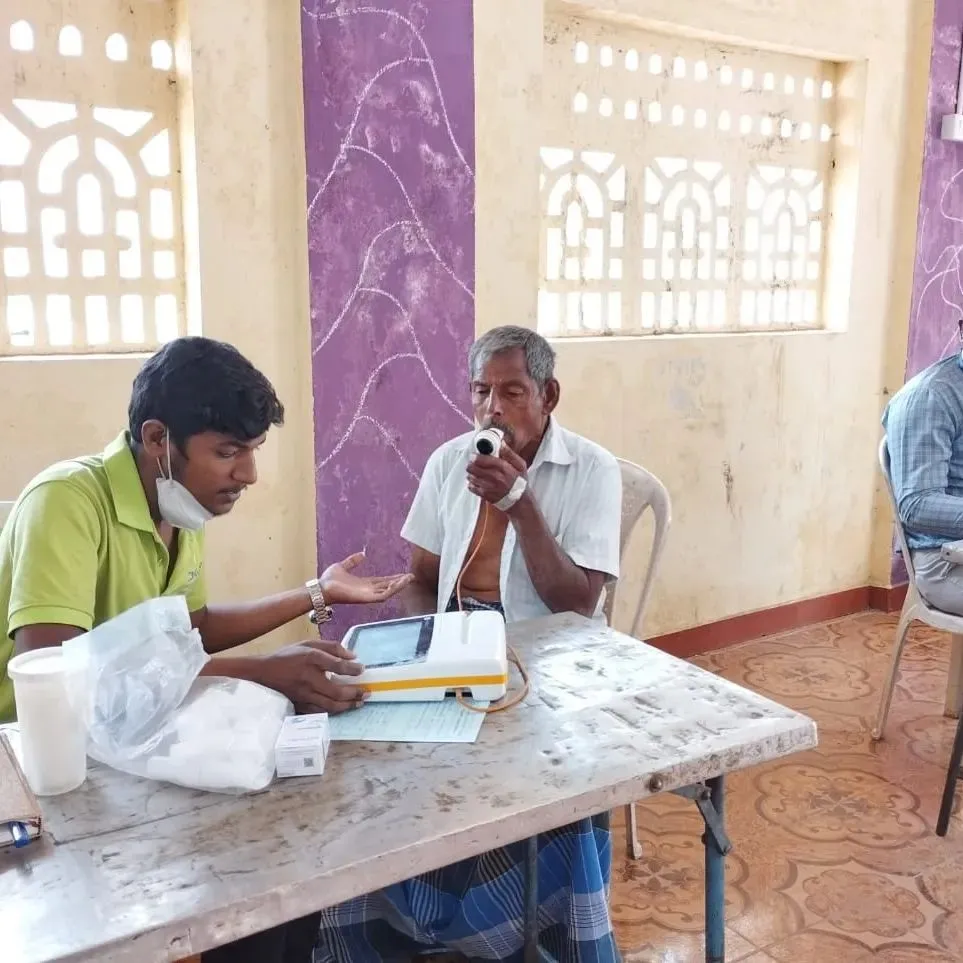
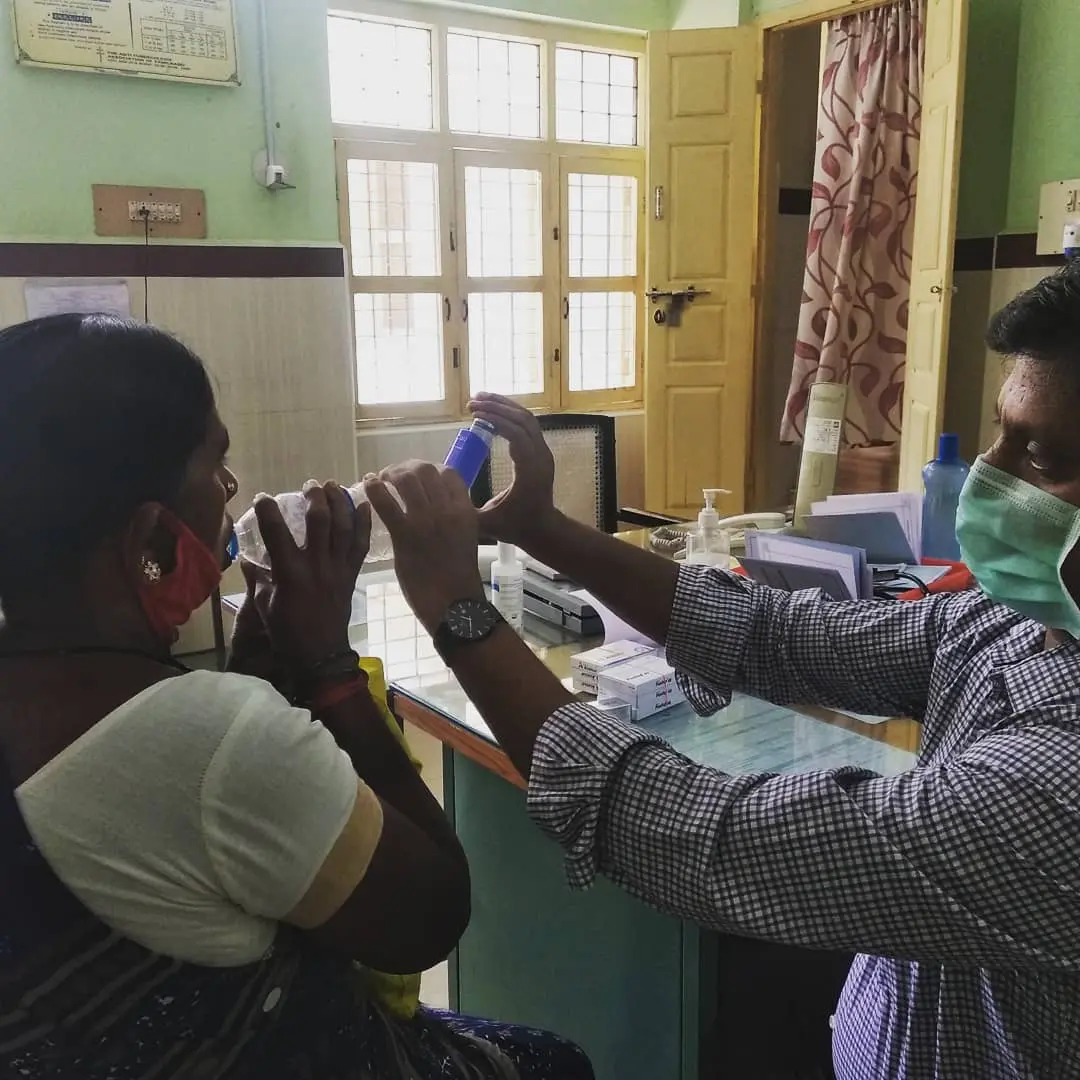
  • The screening programs conducted in the adopted area to study morbidity and mortality patterns of our target areas identified a high burden of lung diseases in the region.This provoked us to establish a speciality service of starting lung clinics at the health facilities to address this burden. The Lung clinics happen every Friday at both the centers with spirometry services .
Process:
  • Patients with breathing difficulty and respiratory issues are identified and listed through the week.
  • Spirometry and pulmonary function tests (PFT) are conducted on designated days
  • Based on PFT assessment, appropriate medications are initiated.
  • Health educators offer guidance on breathing exercises, nutritional rehabilitation, smoking cessation, etc.
  • Regular follow-ups are conducted to ensure compliance.
Achievements:
  • “So far, more than 300 individuals have been screened for lung disorders, and 200 are on regular follow-up.”

Elderly And Pallaiative Care Program

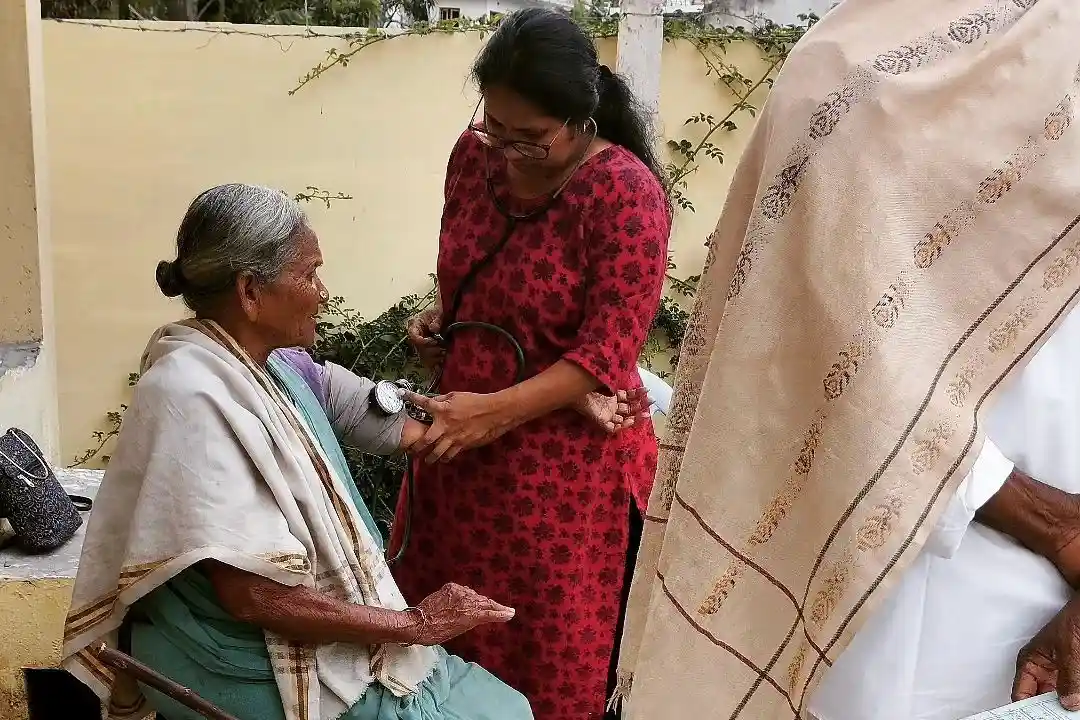
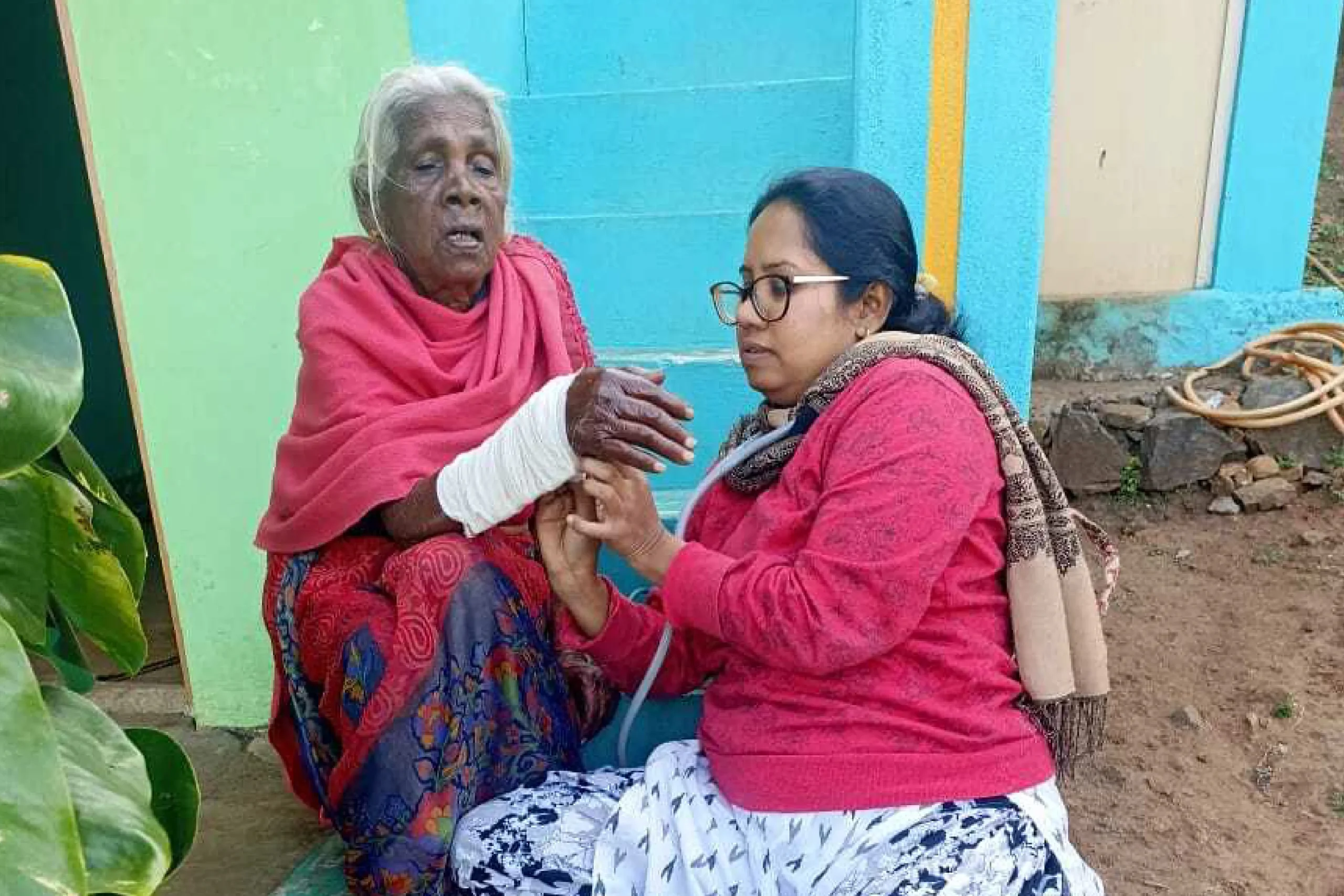
The Elderly and Palliative Care Program implemented by the centers of SITHARA acknowledges the rising population of elderly individuals and addresses the challenges they face in seeking care. The overview of the program:
Demographic Transition and Elderly Care:
  • Recognizes the increasing number of elderly individuals due to demographic transition.
  • Observes that only 15% of the total footfall at the facility comprises elderly individuals.
  • Attributes this low percentage to their dependency on family members for medical expenses and transportation to the care facility.
Initiatives to Support Elderly Individuals:
  • Waiving Consultation Fees: Centers of SITHARA waive consultation fees for individuals above 60 years of age, making healthcare more accessible to them.
  • Subsidized Medications: Provides required medications to elderly individuals at subsidized costs, reducing the out of pocket expenditure of healthcare.
  • Poor Patient Fund: Initiated a fund to support elderly individuals without social support or facing financial difficulties, ensuring they receive necessary care regardless of their financial situation.

These initiatives aim to improve access to healthcare for elderly individuals, alleviate financial burdens associated with medical expenses, and ensure that those without adequate social support receive necessary care. By addressing these challenges, the Elderly and Palliative Care Program contributes to enhancing the overall well-being and quality of life of elderly individuals in the community served by SITHARA centers.
Community Based Rehabilitation Program

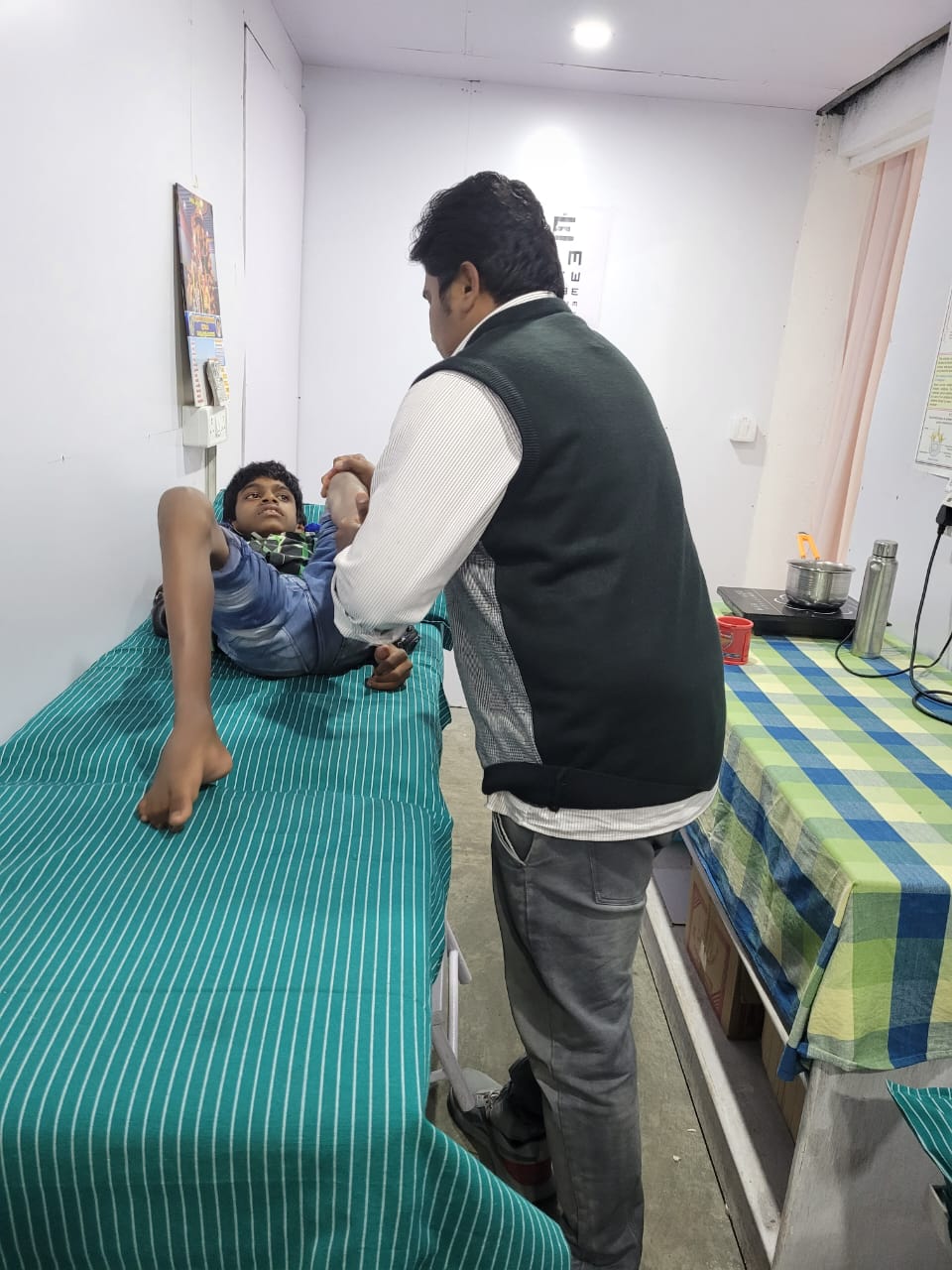
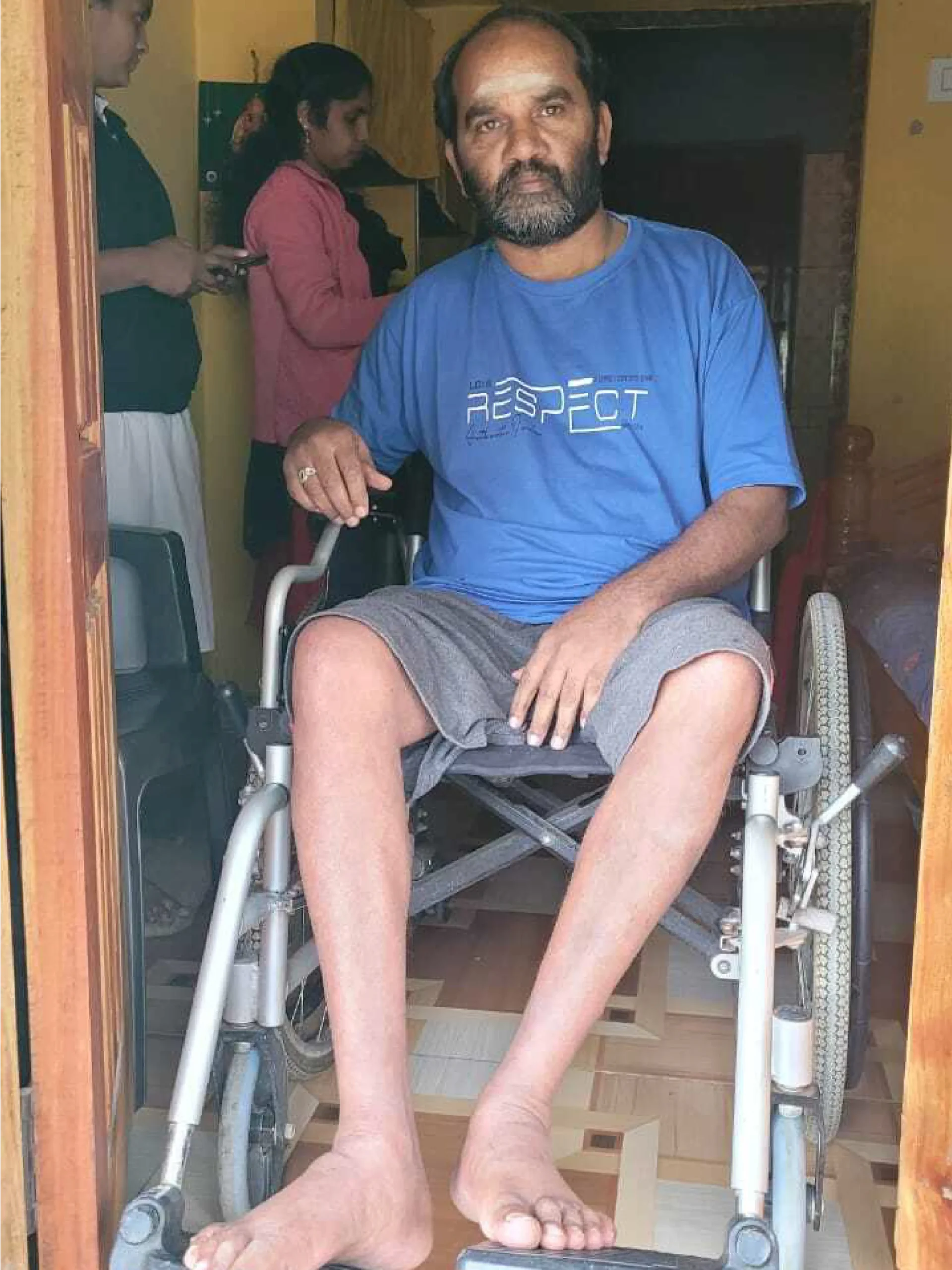
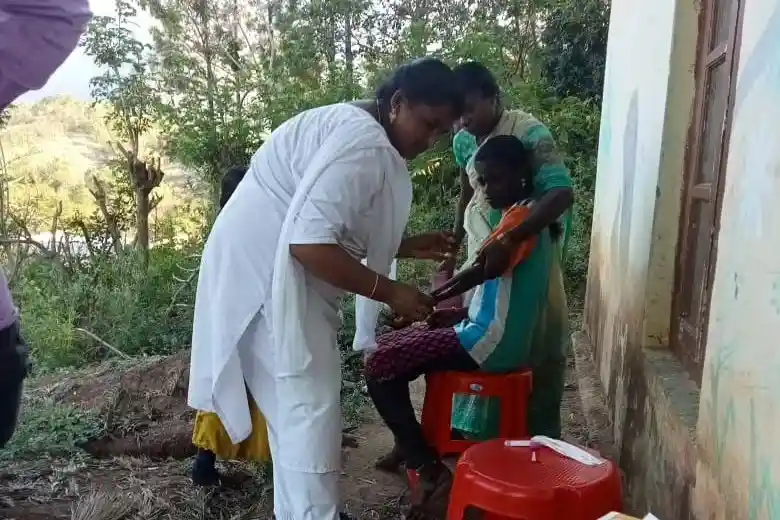
  • Community based Rehabilitation (CBR) was Initiated after observing the challenges faced in daily life by a patient with Spino-cerebellar Ataxia in our adopted area.
  • This was an eye opener and helped us recognize the difficulties experienced by differently-abled individuals, particularly those with neurological disorders, in the hills.
 
 
Approach of CBR:
  • Community volunteers identify individuals with difficulties in activities of daily living (ADL) within their communities and these individuals are listed.
  • A team of social worker , doctor , nurse and physiotherapist  conducts home visits for physical and social assessment.
  • Target goals, often related to improving ADL, are set.
  • Community-based rehabilitation is initiated, lasting 1-3 months.
  • Reassessment and evaluation are conducted at the end of 3 months to determine goal achievement.
  • Goal of the Program: Enable individuals to better perform ADL and improve their quality of life.


Community Outreach Program:

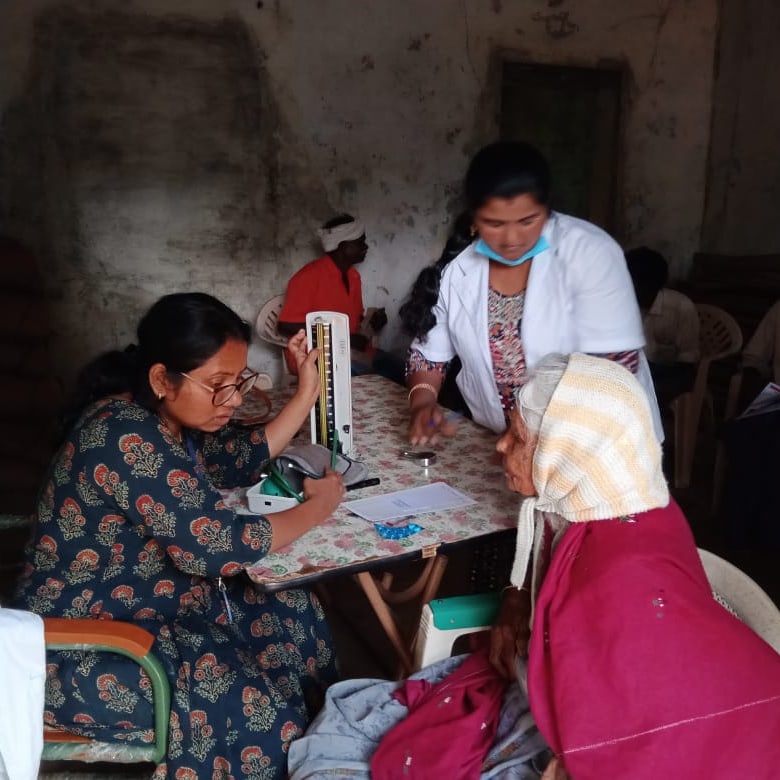
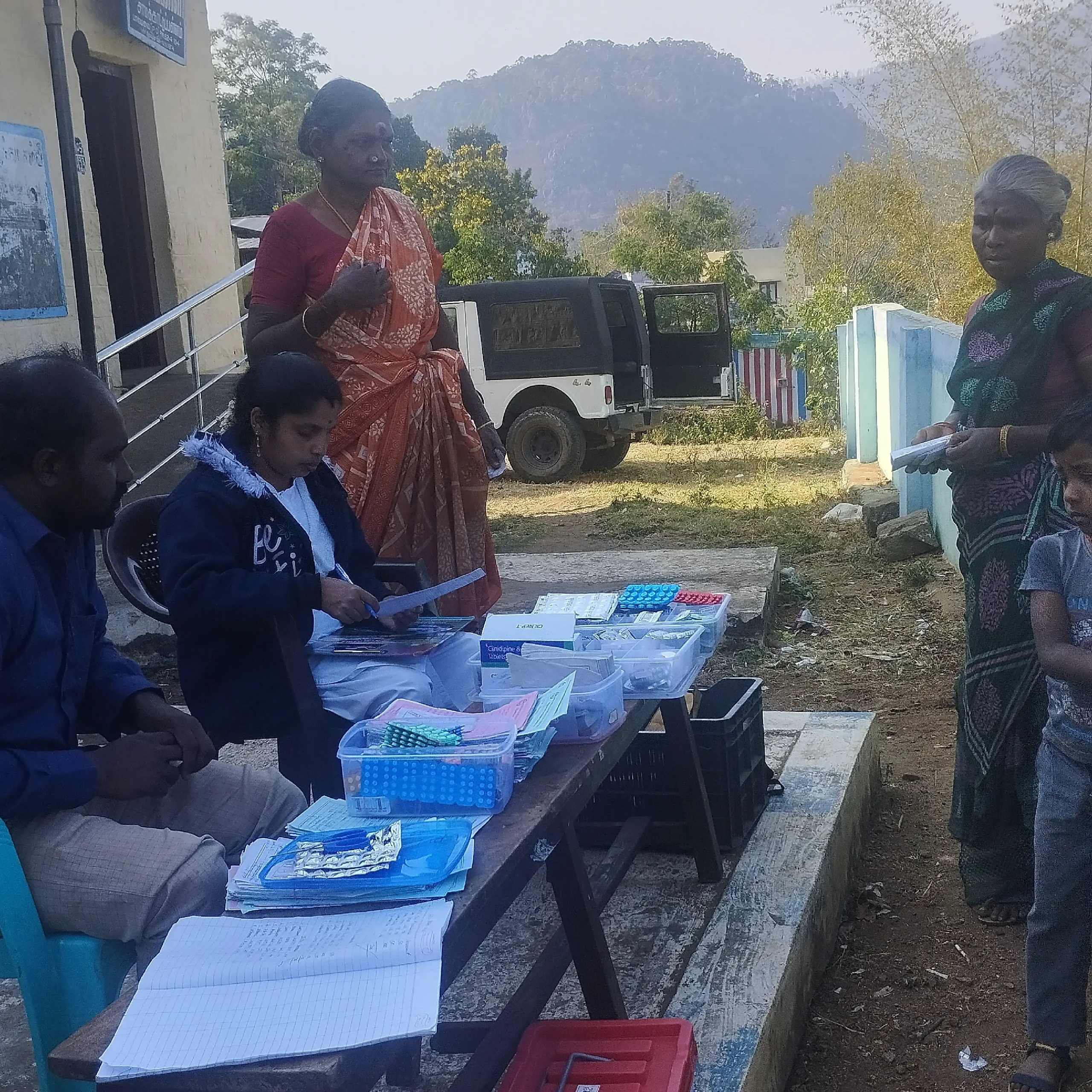
SITHARA’s Community Outreach Program (COP) is a proactive initiative started to address the healthcare challenges faced by residents of the remote villages in Kodaikanal. Here’s a comprehensive overview of the program:
1.Background and Rationale:
  • Recognizing the difficulties posed by poor public transport system and damaged roads, SITHARA identified the need for a Community Outreach Program to ensure access to healthcare for residents of remote villages.
  • Vulnerable groups such as the elderly, women, and children were found to face particular challenges in accessing healthcare, often relying on earning family members for assistance.
  • Despite existing government programs for Non-Communicable Disease (NCD) care, their impact was deemed questionable, necessitating the need for an alternative approach.
 
 
2.Initiatives and Activities:
  • The COP launched monthly village clinics in 2022, specifically targeting pockets with no public transport access. These clinics are established in five far-flung villages, ensuring healthcare services are brought directly to the communities.
  • Each month, a doctor-nurse team visits these villages, providing essential healthcare services and addressing the specific healthcare needs of residents.
  • The program’s three cornerstones are Elderly Care, Child Health, and Adolescent Health, addressing prevalent health issues within these demographics
 
3.Focus Areas:
  • Elderly Care:The program prioritizes NCD screening and management for chronic diseases prevalent among the elderly, such as Diabetes, Hypertension, and COPD. Additionally, dementia screening and ambulatory sick care are emphasized.
  • Child Health and Adolescent Health:Focuses on nutritional assessment, growth monitoring, and ambulatory care for sick children. Screening for anemia and mental health issues among adolescents is also prioritized.
4.Impact and Benefits:
  • By establishing monthly village clinics, SITHARA ensures that residents can access healthcare services without having to travel long distances, thus minimizing disruptions to their daily routines and work schedules.
  • The program’s focus on specific health issues tailored to each demographic group addresses the unique healthcare needs of the community, promoting overall well-being and preventive care.

Community Based Rehabilitation Program

  • Community based Rehabilitation (CBR) was Initiated after observing the challenges faced in daily life by a patient with Spino-cerebellar Ataxia in our adopted area.
  • This was an eye opener and helped us recognize the difficulties experienced by differently-abled individuals, particularly those with neurological disorders, in the hills.
 
 
Approach of CBR:
  • Community volunteers identify individuals with difficulties in activities of daily living (ADL) within their communities and these individuals are listed.
  • A team of social worker , doctor , nurse and physiotherapist  conducts home visits for physical and social assessment.
  • Target goals, often related to improving ADL, are set.
  • Community-based rehabilitation is initiated, lasting 1-3 months.
  • Reassessment and evaluation are conducted at the end of 3 months to determine goal achievement.
  • Goal of the Program: Enable individuals to better perform ADL and improve their quality of life.

Cataract Facilitation Program

The number of elderly in the demography of the country has substantially increased and along with it the health care issues faced by them as well as has increased, cataract related blindness being one of them.

SITHARA’s Cataract Facilitation Program addresses the issue of cataract-related blindness among rural and tribal populations. An overview of the program’s key components are as follows :

 
1.Screening and Diagnosis:

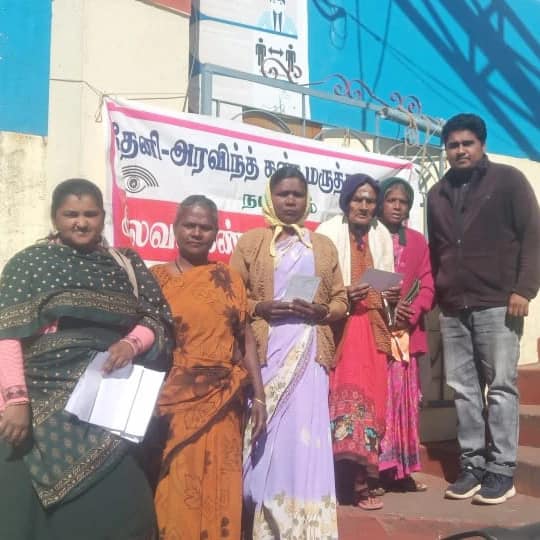
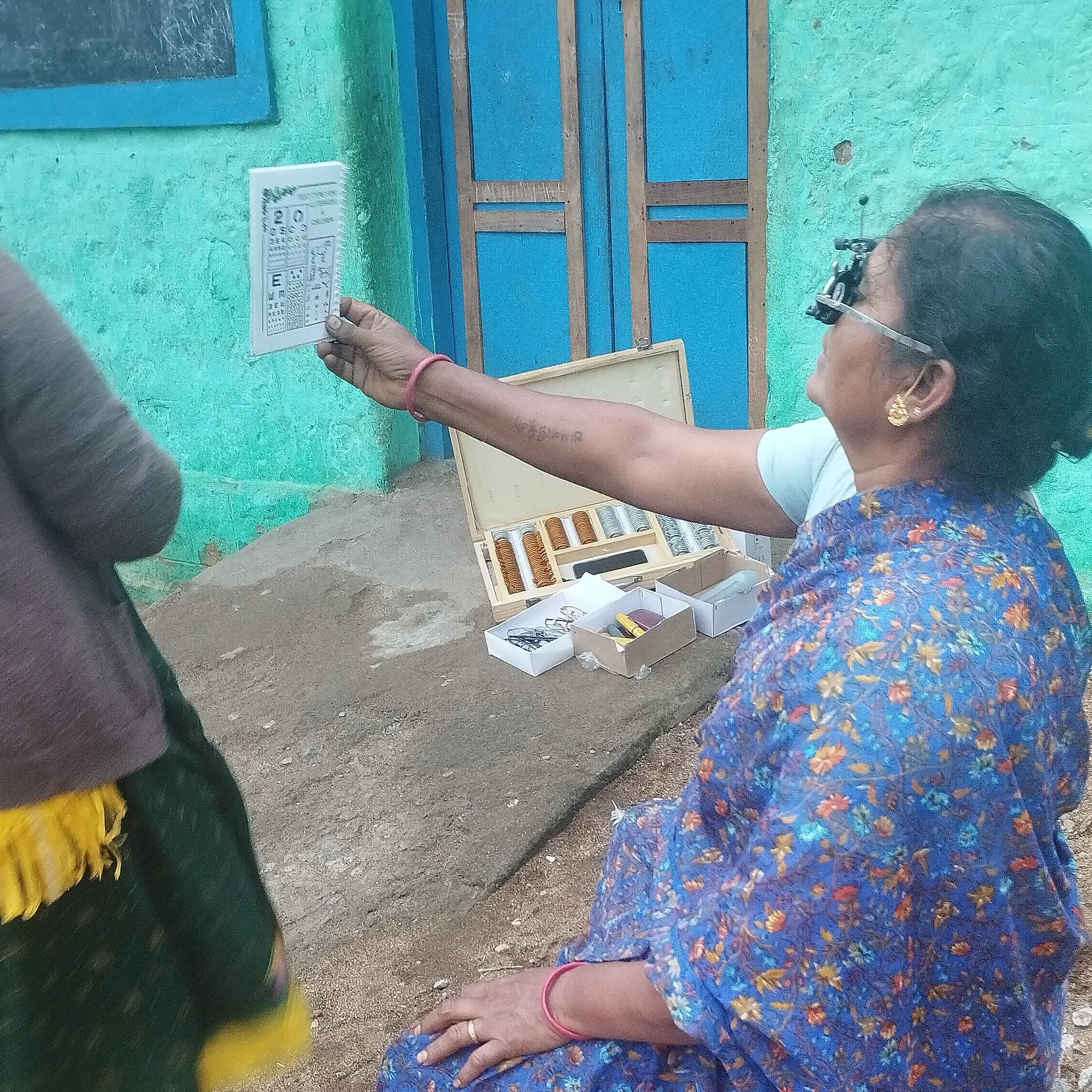
Eye clinics are conducted for screening and diagnosis of cataract at both of SITHARA’s centres and during monthly outreach camps every Tuesday and Thursday. This proactive approach ensures that individuals with cataract are identified early and helps in facilitating timely intervention.

2.Enlisting for Cataract:

Once diagnosed, individuals requiring cataract surgery are enlisted for the procedure. This step ensures that those in need of surgical intervention are included in the program and provided with the necessary support.

 
3.Providing Fitness Certificate:

SITHARA facilitates the process of providing fitness certificates for cataract surgery by doing the pre op work up at the centres. This documentation is essential for ensuring that individuals are medically fit to undergo the surgical procedure. It also helps to ease the navigation for selection for surgery during the aravind eye care camps and facilitating the surgery.

4.Facilitating Transport to Aravind Eye Care:

SITHARA arranges and facilitates transportation for individuals requiring cataract surgery to Aravind Eye Care, a renowned eye care facility in the country. This service ensures that individuals from the far off region (where access to information itself is a difficult affair) access specialized surgical care without facing barriers related to transportation.

 
5.Free-of-Cost Services for Needy Populations:

The program offers cataract surgery facilitation free of cost to tribal, rural, and needy populations. By removing financial barriers, SITHARA ensures that individuals from undeserved communities can receive essential eye care services without financial burden.

6.Spectacles Provision for Refractive Errors:

In addition to addressing cataract-related blindness, the program also provides spectacles at subsidized costs to individuals with refractive errors in vision. This comprehensive approach ensures that individuals with various vision impairments receive appropriate interventions to improve their visual health.

SITHARA’s Cataract Facilitation Program upholds a commitment to addressing preventable blindness and improving the quality of life for rural and tribal populations. By offering comprehensive services from screening to surgical intervention and post-operative care, the program significantly contributes to reducing the burden of cataract-related blindness in underserved communities of the Palani hills.